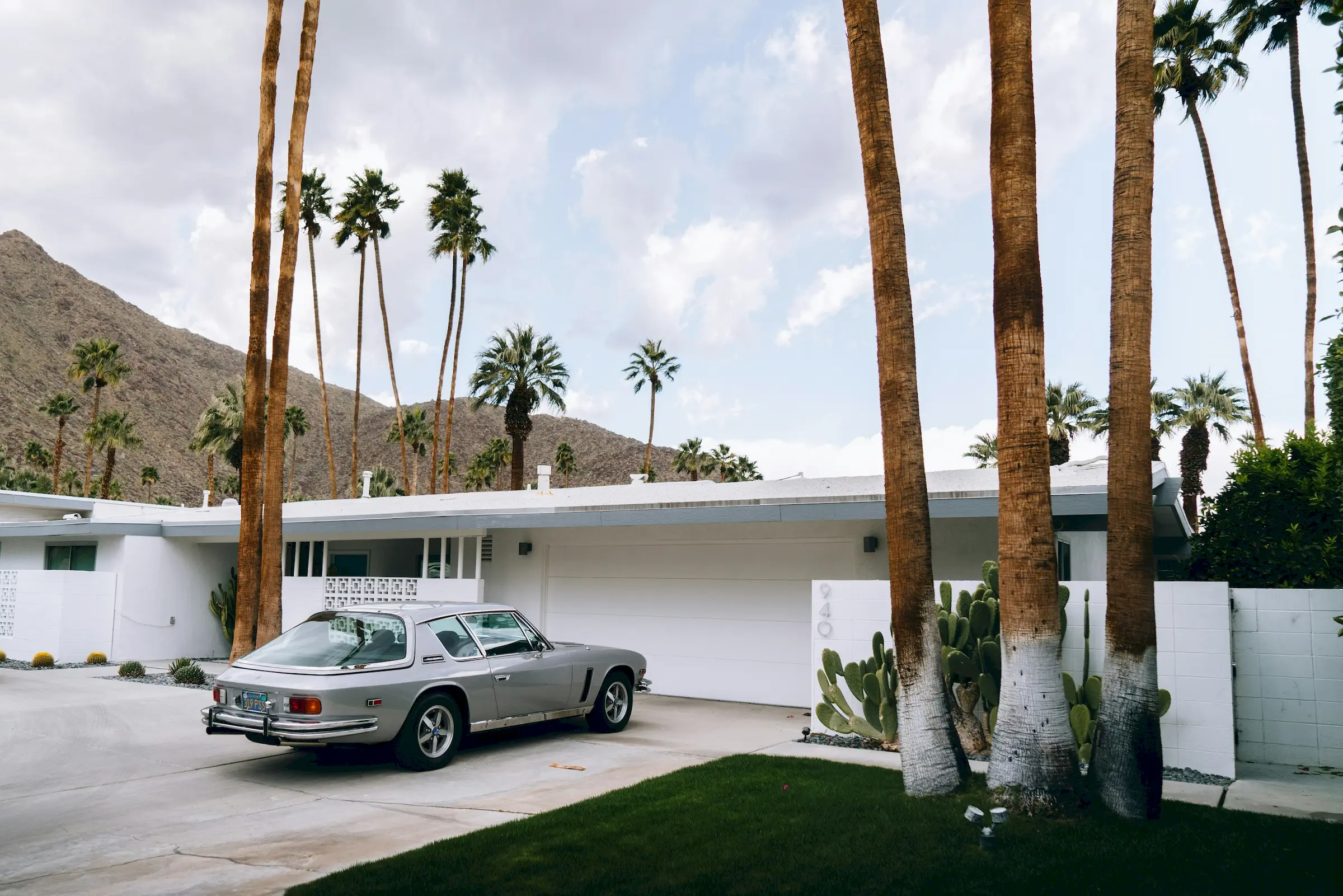
Mid-century homes Palm Springs is more than a search term—it’s a lifestyle and a piece of American design history framed by mountain backdrops, endless blue sky, and indoor-outdoor living done right. From Alexander-built tract houses with butterfly roofs to sleek steel-and-glass masterpieces, Palm Springs, California offers one of the country’s richest concentrations of mid-century modern residences. Whether you’re a design purist, a weekend retreat seeker, or an investor drawn to enduring demand, this guide from Salomon Urquiza and the Salomon Urquiza Team - Compass delivers a comprehensive, local-first perspective on architecture, neighborhoods, market dynamics, and how to buy or sell with confidence.
Why Mid-Century Modern Endures In Palm Springs
The desert was the perfect canvas for modernism. Architects and builders in the 1950s and 1960s embraced clean lines, honest materials, and a design language that connected interior spaces to dramatic landscapes. In Palm Springs, those ideas take practical form:
• Climate-smart design: Deep overhangs, breezeways, and shaded patios naturally cool the home.
• Glass and views: Expansive glazing frames the San Jacinto Mountains and desert sunsets.
• Effortless living: Single-story, low-slung profiles with open plans support relaxed, social living.
• Outdoor rooms: Pool-centric yards effectively add usable square footage most of the year.
Beyond aesthetics, mid-century homes in Palm Springs endure because they work. Their scale suits both weekenders and full-time residents, and with the right guidance, updates can preserve character while improving comfort.
Signature Architectural Features To Know
Understanding defining features helps evaluate value, authenticity, and renovation potential:
• Post-and-beam construction: Exposed beams enable open spans and clerestory windows.
• Clerestory windows: High horizontal glass brings light while preserving privacy.
• Butterfly and low-gable roofs: Iconic silhouettes that define the era.
• Breeze block and shadow block: Decorative masonry that filters sun and shapes outdoor areas.
• Floor-to-ceiling sliders: Seamless indoor-outdoor transitions.
• Carports and low-profile garages: Functional without overpowering the facade.
• Honest materials: Concrete, steel, terrazzo, and natural wood establish timeless appeal.
Notable names include William Krisel, Donald Wexler, E. Stewart Williams, Albert Frey, Hugh Kaptur, William Cody, and the Alexander Construction Company. Some homes are recognized as historic resources, influencing renovation approvals, value, and potential tax incentives.
Where To Find Iconic Mid-Century Homes In Palm Springs
While mid-century homes appear citywide, certain neighborhoods stand out:
Twin Palms
Often considered ground zero for Alexander/Krisel design. Expect butterfly roofs, clerestories, carports, mountain views, and historic district recognition.
Vista Las Palmas
Prestige, views, and refined renovations near the Uptown Design District. Larger lots and elevated facades are common.
Racquet Club Estates
Classic Alexander tracts with breezeblock accents and nearby Donald Wexler steel homes. A showcase of original-to-restored examples.
Sunmor
Quiet, centrally located, with excellent Wexler examples and strong community feel.
Deepwell Estates
South Palm Springs living with larger lots, refined MCM ranches, and generous outdoor spaces.
Indian Canyons
Golf-front luxury with expansive footprints and resort-style ambiance.
Canyon View Estates & Canyon Estates
Iconic mid-century condo communities offering low-maintenance modernist living.
Seven Lakes Country Club
William Cody–influenced enclave combining golf, amenities, and mid-century elegance.
Movie Colony East & Sunrise Park
Mixed pockets with Alexander models, custom homes, and proximity to parks and Downtown.
Micro-factors matter: sun exposure, wind patterns, HOA rules, and street-by-street orientation. The Salomon Urquiza Team guides clients block by block to find the right fit.
Market Snapshot And Investment Considerations
Demand for mid-century homes Palm Springs remains global and supply is finite. Key value drivers include:
• Architectural integrity: Original features and period-appropriate updates command premiums.
• Lot and orientation: Views, privacy, wind, and sun exposure affect livability and price.
• Historic designation: May enhance value and open eligibility for programs like the Mills Act.
• Renovation quality: Sensitive updates outperform heavy-handed remodels.
• Seasonality: Winter and spring are competitive; summer can present buyer opportunities.
• Short-term rentals: Regulated by city ordinance and often restricted by HOAs—verification is essential.
Renovating And Preserving The Look—Without Sacrificing Comfort
Thoughtful upgrades keep mid-century homes efficient and livable:
• Roofing: Foam roofs with reflective coatings reduce heat gain; verify drainage and recoating cycles.
• Glazing: Preserve sightlines with thermally improved sliders and smart shade strategies.
• HVAC & electrical: Right-sized systems, zoning, panel upgrades, and smart controls matter.
• Plumbing: Galvanized lines and cast-iron sewer often require attention—scope early.
• Pools: Variable-speed pumps and modern automation improve efficiency.
• Finishes: Terrazzo, polished concrete, cork, and period tile honor the era.
• Approvals: Historic properties may require exterior review—process matters.
Living The Palm Springs Mid-Century Lifestyle
Ownership goes beyond architecture:
• Outdoor living: Pool days, fire pits, and mountain silhouettes at sunrise.
• Recreation: Golf, hiking, and biking woven into daily life.
• Design culture: Modernism Week, Uptown galleries, and vintage finds year-round.
• Dining & entertainment: Patio-driven scenes from South Palm Canyon to Uptown.
How The Salomon Urquiza Team - Compass Helps You Win
• Architecture-first guidance grounded in preservation and livability.
• Neighborhood-level insight down to street orientation and wind patterns.
• Strategic pricing and negotiation informed by real micro-trends.
• Access and reach through Compass tools and local relationships.
• Specialist vendor network aligned with mid-century preservation.
• Story-driven listing presentation that resonates with modernism buyers.
Buyer And Seller FAQs
What is an Alexander home?
Homes built by the Alexander Construction Company, often designed by William Krisel, featuring post-and-beam construction, butterfly or low-gable roofs, and efficient modernist layouts.
How do I confirm historic status?
We review city records, surveys, and permits to clarify designation and implications.
Are flat roofs an issue?
No—when maintained. Foam roofs require periodic recoating; inspections reveal condition.
Can I rent short-term?
Palm Springs regulates vacation rentals; HOAs often restrict them. Rules must be verified before purchase.
Your Next Step
If you’re drawn to the light, lines, and lifestyle of mid-century homes Palm Springs, partner with a local specialist who understands architecture and market nuance. The Salomon Urquiza Team - Compass will help you identify the right neighborhood, evaluate condition with a preservation-minded eye, and negotiate from a position of knowledge.
Whether buying, selling, or curating a design-forward retreat, reach out for a personalized plan—and find your place in Palm Springs’ modernist landscape.